Moving into a PG is exciting, but safety should always come first. Many students and professionals focus on rent and location but ignore important safety factors. A PG might look perfect online, but problems often appear only after moving in. Checking safety before signing any agreement protects you from theft, harassment, and uncomfortable living conditions.
Safety is more than just security cameras. It includes physical safety, hygiene, maintenance, and trustworthy management. A secure and well-maintained PG ensures peace of mind and allows you to focus on studies, work, or personal growth.
Check the Location
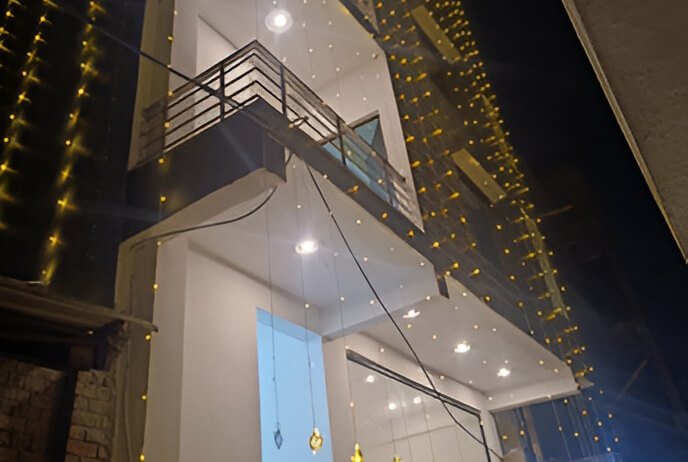
To assess a PG’s vicinity, consider whether it is located in an area with good lighting and high activity vs. an area that’s isolated and lacks safe nighttime access. It is also important to see if your PG is located near places to shop, or access public transportation, or emergency assistance, etc. Being in an area that is easily accessed by a store and/or public transport helps to deter criminal behaviour or at least have a rapid means of assistance in case an emergency arises.
Lastly, it is recommended to visit a PG at different times to understand how the area feels throughout the day/night. A place that may feel acceptable in daylight hours can very well be unsafe at night. Being there will give you a more realistic representation of the safety of an area, particularly when compared to photos you might see on the web.
Inspect Security Measures
Every PG should have a security system that includes CCTV cameras in the common area; secure locks on the doors and windows; and staff or guards monitoring the entry point to the facility. It is also important to ask how the PG prepares for emergencies, as well as the policy regarding visitors.
In general, PGs either provide 24/7 security staff or use only locks as security measures. It is advisable to know how the PG will respond to a security breach and if it is prepared for emergencies. An effective security system protects the tenants and their property.
Evaluate the Rooms and Facilities
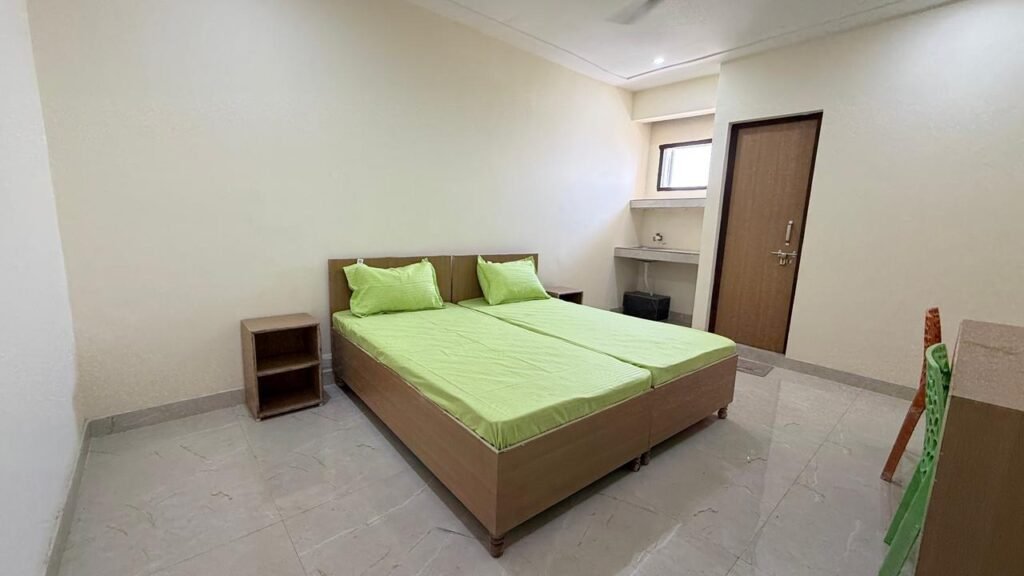
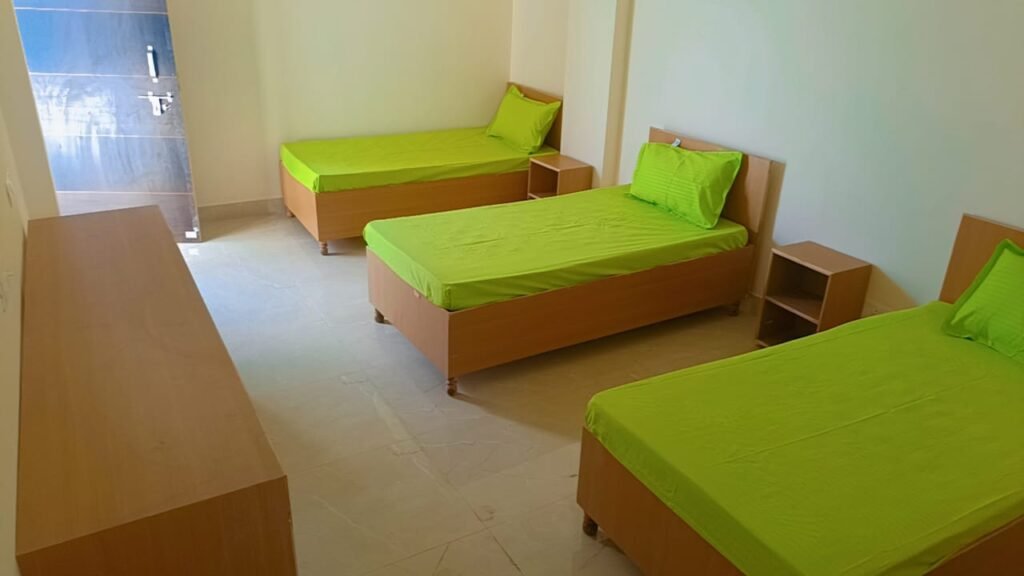
Unattended facility maintenance can pose a threat to safety; therefore, conduct a thorough inspection of your individual room as well as all common areas for concerns such as loose electrical wires, wet or slippery floors, broken furniture, and fire hazards. You should also evaluate whether or not there are adequate sanitary conditions in common areas, including the kitchen, bath, and other locations. Inadequate sanitary conditions in PG may create health or safety conditions which may increase the potential for an illness or injury. You should also ensure that bathrooms are in working order, kitchens have clean, sanitary conditions, and waste in common areas is disposed of properly. Properly maintained facilities indicate that the management of the PG is concerned about the health and safety of the residents.
Talk to Current Residents
Speaking with present tenants is a great way to confirm that the property is safe. You can enquire about the amount of noise, how the staff act, how well the property is maintained and what types of incidents have taken place. It is likely that current residents will provide honest accounts that the owner may not tell you.
Be mindful of recurring complaints or concerns. If several residents express concerns about security or noise from neighbouring apartments, or management not responding adequately, it may be a good idea to re-evaluate. Current tenants are generally the best indicators of information you will receive.
Verify the Management
The quality of management will impact both your safety and comfort levels. Be sure to determine who the Property Group (PG) owner or representative is and how to best communicate with them. Understand their exploratory processes for welcoming guests, curfews and reporting methods if you have a complaint.
By having transparency in the manner in which they operate, management establishes a trusted and reliable source for residents; therefore, it is more likely that a PG with proper documentation and defined policies will provide a secure living environment for their residents.
Check Legal and Documentation
Before moving in, verify all documents, including rent agreements, safety certificates, and approvals if required. A legitimate PG will provide proper agreements and clearly mention safety policies.
Reading the agreement carefully prevents future disputes. Look for clauses regarding maintenance, security, and resident responsibilities. Legal verification ensures you have rights and recourse if safety issues arise.
Use Technology and Reviews
Online reviews and social media can provide additional insights into a PG’s safety. Look for ratings, complaints, or discussions about the property. Technology allows you to check background information and resident feedback before visiting.
Some apps and platforms also verify PG listings and provide security ratings. Using these resources adds an extra layer of confidence and helps you make an informed decision.
Conclusion
Verifying a PG’s safety before moving in is essential for peace of mind, comfort, and well-being. Check the location, security measures, room conditions, hygiene, and management quality. Talk to current residents, verify documents, and use online reviews. Taking these steps ensures you choose a PG that is both comfortable and secure.
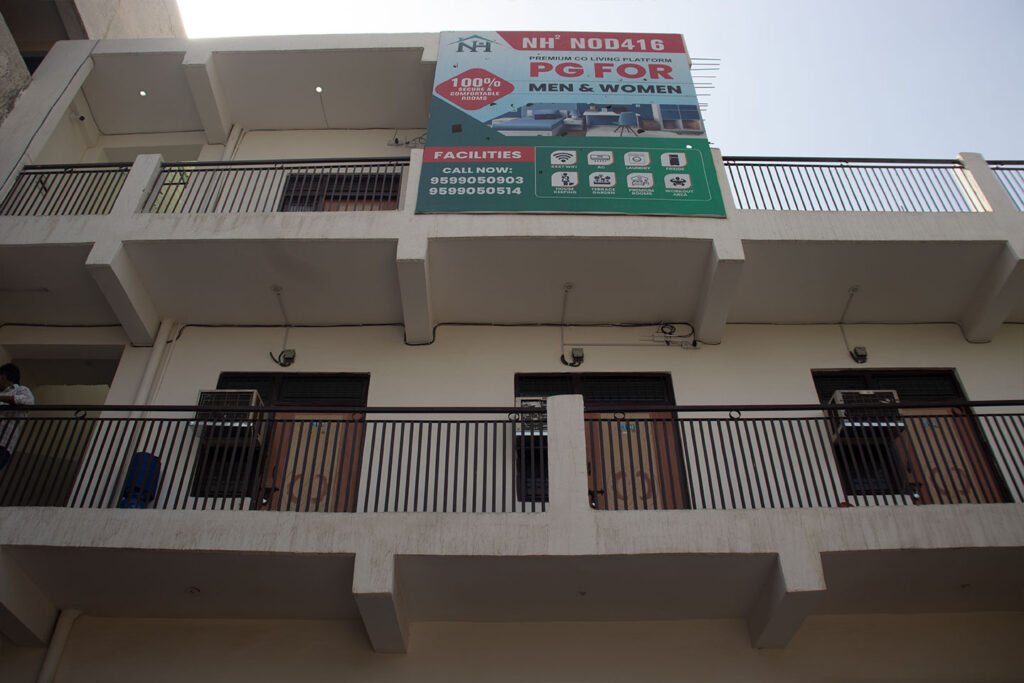
NH2 Stays offers carefully selected PG accommodations with verified safety measures. From secure entry systems to clean rooms and responsive management, NH2 Stays ensures a worry-free living experience. Their commitment to safety and comfort makes them a trusted choice for students and professionals.